

Some furniture is for looking at and some is for using. Armchairs belong to the second group: they are where you read with your morning coffee, chat after dinner or sit to watch the afternoon fade. Choosing the right armchair is not only about looks: seat height, depth, material and, above all, the place where it will live all matter.
In a Mediterranean-inspired home, the armchair usually speaks the language of natural materials: rattan, rush, light wood, raw linen. They are visually light pieces that let the light through and age gracefully. And now that autumn is here, with shorter afternoons, a comfortable seat by the window is more tempting than ever.
In this article we explain how to choose armchairs according to their use, which measurements to respect, which material suits your way of living and how to style them so they invite you to stay.

In this article
Get the look
In the photo above, two low wooden armchairs with woven natural fibre seats and backs surround a round mango and marble table, with candles, books and a fibre rug. This is how to recreate the corner:


1. First, what do you need it for?
Before looking at models, think about how you will use it. A reading armchair needs a high back and comfortable arms; a conversation chair works better slightly lower and more open, so you can turn towards the others. An armchair that completes the living-room sofa is not the same as one that lives in the bedroom or on the porch.
If in doubt, go for a versatile piece: a wooden or rattan frame, a removable seat cushion and a medium size you can move from room to room with the seasons.
Which armchair for each use
- For reading: high back, wide arms and a deep seat; ideally with a footstool or pouf nearby.
- For conversation: seat at 42-44 cm, slightly reclined back and low arms that don't get in the way.
- To complete the sofa: in pairs and of the same model, facing the sofa or at a 90° angle.
- For the bedroom: a light armchair by the window or at the foot of the bed, without blocking the way.
- For the porch: teak, synthetic rattan or aluminium with removable cushions.
2. Measurements worth remembering
Measurements decide whether an armchair gets used or just sits there. The seat height should let your feet rest on the floor with knees at a right angle, and the depth must support your back without the edge digging into the back of your knees.
Measure the space too: you need comfortable walkways around the armchair, and between it and the side table just the right distance to reach your cup without stretching.
Measurements worth remembering
3. Rattan, fibre, wood or linen: which material to choose
The material sets the character. Rattan and wicker bring lightness and that summer-house feel that suits the south so well; rush and woven fibres add texture and warmth; solid wood is sturdy and ages well, and armchairs upholstered in linen or cotton are the softest for winter.
If you already have a linen sofa, a natural fibre armchair breaks the uniformity without clashing. And if your living room has lots of wood, an armchair upholstered in ecru adds softness. Here is a summary:
| Material | Best for | Keep in mind |
|---|---|---|
| Rattan and wicker | Light, fresh, lets light through | Better with a seat cushion; avoid constant direct sun |
| Rush and fibres | Warm, handcrafted texture | Wipe with a dry cloth; don't soak |
| Solid wood | Durable and easy to combine | Protect with oil or wax once a year |
| Linen and cotton | The softest and cosiest | Choose removable covers and ecru tones |


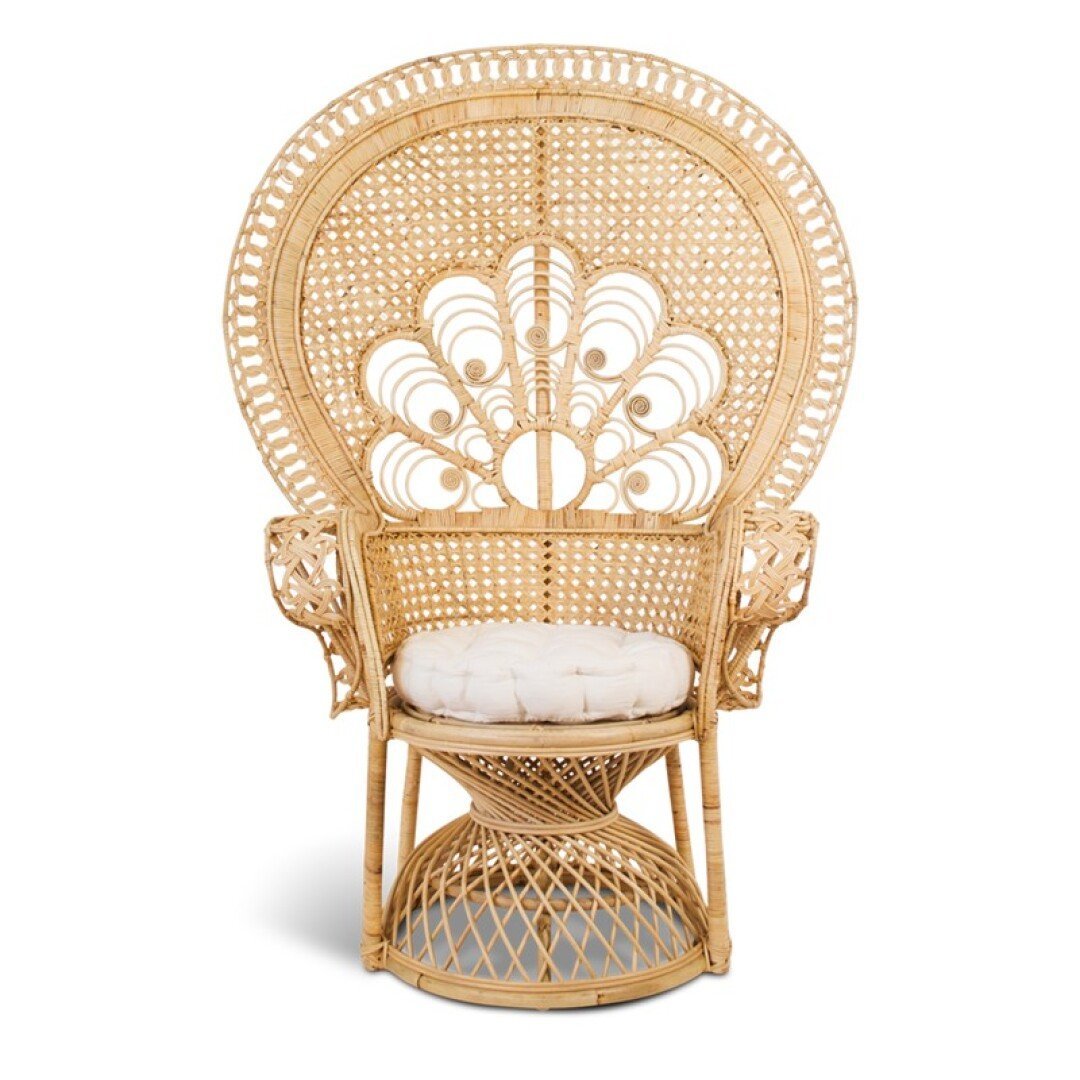


Get the look
A rattan armchair with an ecru cushion, pink-toned cushions and a whitewashed wall: the simplest and most Mediterranean corner. To get it:


4. Where to place it so it gets used
A well-placed armchair is used every day; a badly placed one becomes a clothes rack. The best spot is usually next to natural light: beside the window, facing the garden or the sea, or in a bright corner of the living room.
In the living room, two matching armchairs facing the sofa create a balanced conversation area; a single one, at an angle, lightens the whole. In the bedroom, an armchair by the window is the perfect place to leave tomorrow's clothes or read before sleeping. For inspiration, our article on creating a reading nook has more ideas.
Key idea: don't push the armchair against the wall. Leave 10-15 cm, turn it slightly towards the light or the rest of the room and always pair it with a side table and a lamp: that is what makes it inviting.

Get the look
Two wicker armchairs in the sun, on a stone floor beneath a window with flowers: a courtyard that could be in an Italian village. For your patio or terrace:


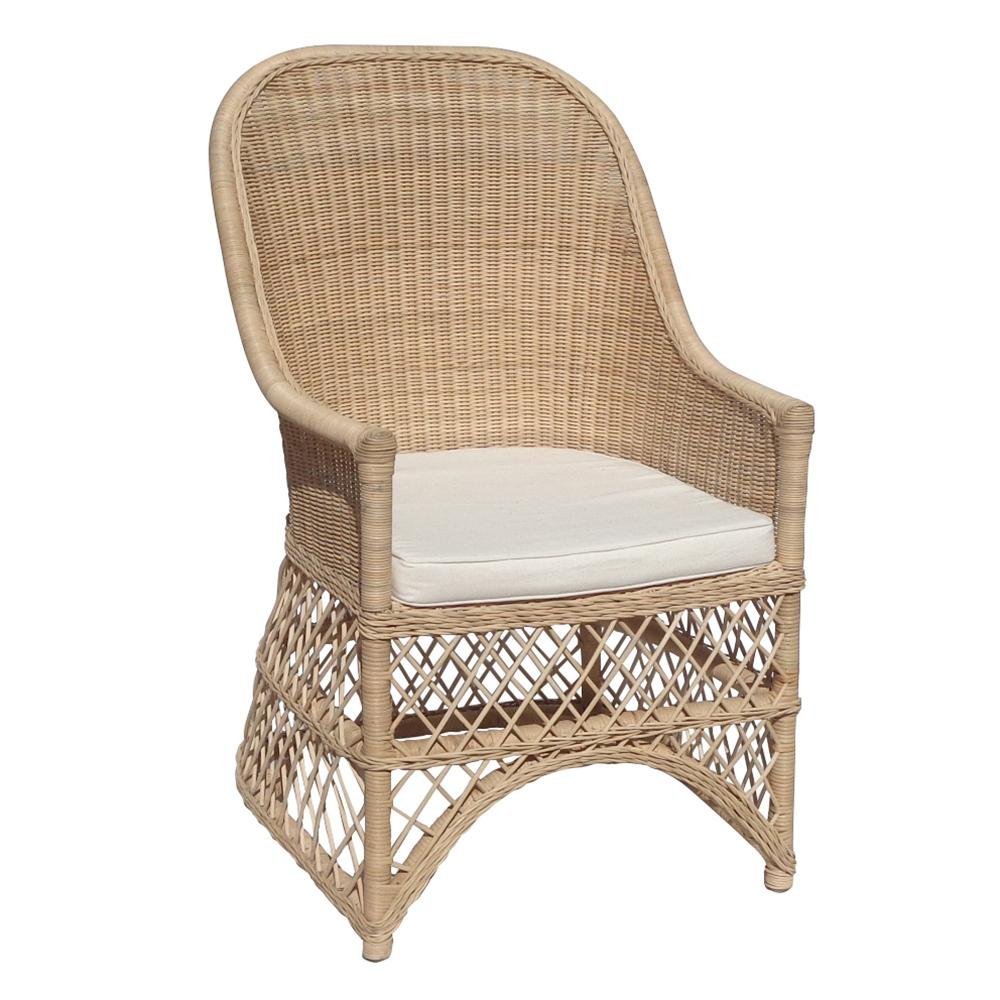


5. Porch and terrace armchairs for autumn
Autumn on the Costa del Sol is an invitation to keep living outdoors. Porch and terrace armchairs in teak, synthetic rattan or wood with rope withstand sun and humidity, and with thick cushions and a throw they can be enjoyed well into November.
Look for frames that don't rust, cushions with removable covers and outdoor fabrics. And protect the armchairs with a cover or keep them under the porch on rainy days. More ideas in our article on the terrace in autumn.

Get the look
On this porch in Málaga: wooden armchairs with rope backs, white and patterned cushions, a round table and glass lanterns on the floor. To get it:


6. What goes with it: table, light, throw and cushion
An armchair on its own is only half dressed. It needs a side table at arm height for your cup or book, a warm-light lamp for autumn evenings, a light throw over the back and a lumbar cushion to adjust the seat depth. A pouf or footstool turns any armchair into a place to read for hours.
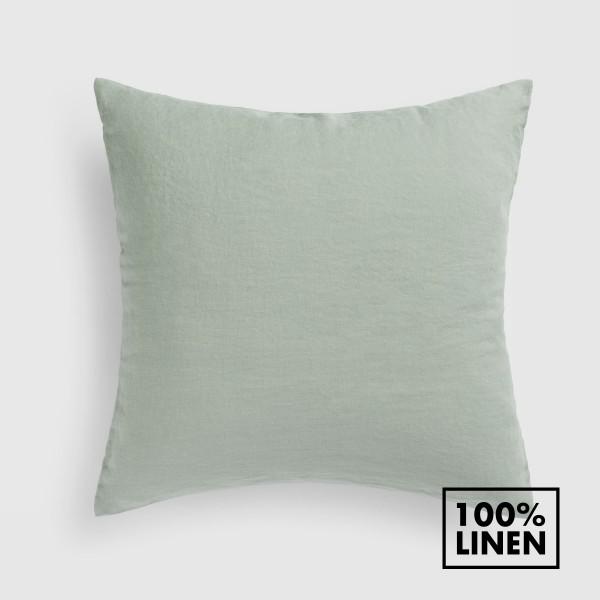
Choose linen or cotton textiles in ecru, sand or sage green, and repeat a colour from the living room. Our articles on autumn textiles and on choosing a coffee table have more tips.



Quick checklist
- Decide the use before the model: reading, conversation, bedroom or outdoors.
- Seat 42-45 cm high and 50-55 cm deep.
- Leave 60-80 cm of space around it.
- Rattan and fibres to lighten; linen and cotton for winter.
- Place it near natural light and away from the wall.
- Pair it with a side table, lamp, throw and cushion.
- Outdoors, teak or treated materials and removable covers.
Frequently asked questions
What is the difference between an armchair and an easy chair?
In everyday use the terms are almost synonyms. Generally, a larger, softer armchair with arms is called an easy chair or club chair, while lighter, more compact ones are simply armchairs. What matters is seat height, depth and that it feels comfortable to you.
How many armchairs should I put in the living room?
It depends on the space: with a three-seater sofa, two matching armchairs opposite create a balanced set. In small living rooms, one light rattan or fibre armchair at an angle is enough and doesn't take away space. If you are also choosing a sofa, our guide on how to choose a sofa will help.
Can a rattan armchair be used indoors and outdoors?
Natural rattan is for indoors or covered porches, protected from rain and constant sun. For an open terrace, teak, aluminium or rattan-effect synthetic fibre are better, as they withstand the weather.
At Pino & Jacaranda we believe a good armchair is much more than a seat: it is the corner where the house becomes a refuge, made of noble materials that you enjoy every day and that get better with the years.
Because the best moments at home begin when you sit down without looking at the clock.
